 How-to
Church Property and Liability Insurance Basics
Table of Contents
- What Church Property and Liability Insurance Covers
- Church Insurance Coverage Types You Should Know
- Church Insurance Requirements and Legal Obligations
- Understanding Coverage Limits, Exclusions, and Deductibles
- Church Insurance Coverage Checklist for Risk Management
- Church Insurance Risk Management and Loss Prevention
- How to Compare Quotes and Policy Wording
- Frequently Asked Questions
Last Updated: October 12, 2026
What Church Property and Liability Insurance Covers
Church property and liability insurance basics protect your congregation from financial loss when accidents happen. These policies combine two essential coverage types that work together to safeguard your ministry.
Think of it this way: general liability covers injuries and damage claims from others. Property coverage protects your building, equipment, and contents from fire, theft, and weather. Together, they form a safety net for your church's most valuable assets.
At Countryside Insurance Agency, we help churches understand what they actually need. Many congregations operate without adequate protection simply because the coverage options feel confusing. The good news is that breaking down these basics makes everything clearer.
General Liability Coverage for Bodily Injury and Property Damage
General liability coverage responds when someone gets hurt on your church premises or your congregation causes damage to someone else's property. This is your first line of defense against lawsuits and medical bills.
Bodily injury claims arise from common church scenarios. A visitor slips on wet floors during a baptism service. A child gets injured during Sunday school.
Property damage coverage handles situations where your church or members damage someone else's belongings. Your youth group accidentally breaks a neighbor's fence during a community service project.
Coverage limits matter here. A typical policy might offer $1 million per occurrence. This means the insurance pays up to that amount for any single incident.
Commercial Property Coverage for Buildings and Contents
Commercial property coverage protects the physical structure of your church building and everything inside it. This includes the sanctuary, fellowship hall, offices, and any outbuildings.
Your building itself is the biggest asset. Fires, storms, vandalism, and theft can cause devastating losses. Property coverage rebuilds or repairs the structure after covered losses occur. It also covers permanent fixtures like stained glass windows, pews, and built-in sound systems.
Contents coverage protects movable items. Hymnals, musical instruments, kitchen equipment, office furniture, and supplies all qualify. A pipe burst floods your fellowship hall. Thieves steal your sound equipment. Contents coverage helps restore what you lost.
Church Insurance Coverage Types You Should Know
Your congregation likely needs more than just basic liability and property protection. Understanding these additional coverage types helps you build a complete insurance strategy.
Covered Property: Buildings, Equipment, and Furnishings
The building itself represents your church's largest financial exposure. Replacement cost coverage ensures you can rebuild if total loss occurs.
Equipment coverage extends protection beyond the building structure. Your HVAC system, electrical wiring, and plumbing are typically included. Specialized equipment matters too.
Furnishings coverage protects chairs, tables, desks, and decorative items. A fire destroys your sanctuary seating. A flood damages your kitchen appliances. Furnishings coverage replaces these items so ministry can resume.
One critical detail: review what your policy actually includes. Some policies exclude certain items or limit coverage amounts. Stained glass windows sometimes require separate endorsements. Expensive musical instruments may need additional coverage.
Coverage for Volunteers, Clergy, and Off-Premises Activities
Volunteers are the backbone of most churches. Your policy should extend coverage to volunteers performing official duties. A volunteer gets injured while setting up for a youth event. Your insurance should respond.
Clergy coverage ensures your pastor and church staff are protected. This includes coverage while performing official duties on and off church property. If your pastor visits a parishioner's home and someone gets injured, liability coverage should apply.
Off-premises activities create unique exposures. Your youth group travels to a mission trip. Your choir performs at a community event. Your church hosts an outreach program at a local shelter. Standard policies may not cover these activities automatically. Ask your agent about extending coverage to planned off-premises events.
Additional Coverage for Vehicles and Building Projects
Church vehicles require separate auto insurance, but they also interact with your liability coverage. If someone gets injured in a church van, both auto and general liability policies may be involved.
Building projects introduce temporary exposures. You're renovating the sanctuary or adding a fellowship hall. Construction creates hazards that standard policies may not cover fully. Builders risk insurance protects the building during construction. Contractor liability endorsements clarify coverage responsibilities.
Church Insurance Requirements and Legal Obligations
Most states don't legally require churches to carry insurance. However, lenders often require it if your church has a mortgage. More importantly, responsible stewardship means protecting your congregation's assets.
Many churches lease their buildings. Landlords typically require tenants to carry liability insurance. Review your lease carefully. You may need minimum coverage amounts specified by your landlord.
Employment practices liability becomes relevant if you have paid staff. A staff member claims wrongful termination or discrimination. This coverage responds to employment-related lawsuits. Countryside Insurance Agency sees this coverage increasingly important for churches with multiple employees.
Understanding Coverage Limits, Exclusions, and Deductibles
Coverage limits define the maximum amount your insurance pays. A $1 million general liability limit means the insurer pays up to $1 million for any single occurrence. Aggregate limits cap total payments during the policy period.
Choosing appropriate limits requires honest assessment. A small rural church may operate safely with $500,000 limits. A large urban church with extensive programs needs higher limits. Consider your congregation size, property value, and activity level.
Common Exclusions and Coverage Gaps
Every insurance policy excludes certain risks. Understanding exclusions prevents unpleasant surprises when you file a claim.
Intentional acts are never covered. If someone deliberately causes damage, insurance won't respond. This makes sense, insurance covers accidents, not deliberate harm.
Some policies exclude coverage for abuse or molestation claims (How underwriters can prepare for child sexual abuse claims). These exposures require specialized coverage.
Pollution coverage is often excluded. If your church operates a daycare and chemical spills occur, standard policies may not respond. Pollution liability coverage fills this gap.
Work-related injuries to employees typically fall under workers' compensation, not general liability. You need workers' compensation insurance if you have employees. This is usually a legal requirement.
How Deductibles Affect Your Claims and Costs
Your deductible is the amount you pay before insurance kicks in. A $1,000 deductible means you pay the first $1,000 of any covered loss. The insurance pays amounts above that, up to your policy limit.
Higher deductibles lower your premium. A $5,000 deductible costs less than a $1,000 deductible. The tradeoff is clear: you save money upfront but pay more out-of-pocket if a loss occurs.
Most churches choose deductibles between $1,000 and $2,500. This balance keeps premiums reasonable while limiting out-of-pocket exposure. Your church's financial reserves should influence this decision. Can your congregation handle a $5,000 deductible if needed? If not, stick with lower deductibles.
Church Insurance Coverage Checklist for Risk Management
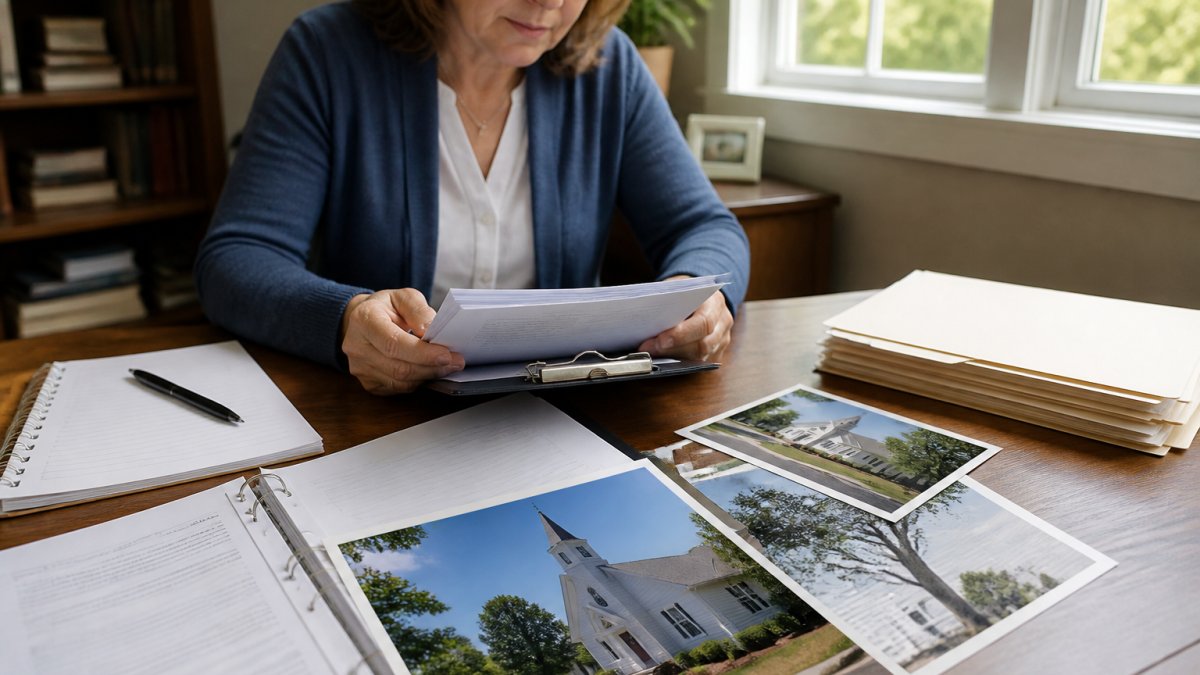
A systematic approach to insurance ensures nothing gets overlooked. This checklist helps you assess your congregation's actual exposures.
Step-by-Step Assessment of Your Congregation's Exposures
Start by documenting your property. Walk through your entire facility with a camera or video recorder. Photograph the building exterior, interior rooms, equipment, and furnishings.
Next, identify your activities. List all regular programs: worship services, Sunday school, youth groups, senior activities, community outreach, mission trips, and special events.
Consider your volunteers and staff. How many people work at your church? What are their roles? Do you have childcare workers? Maintenance staff? Paid clergy?
Document your property details. When was the building constructed? What's the square footage? What materials are the roof and walls?
Review past incidents. Has anyone been injured on your property? Have there been property losses? These claims history details matter when getting quotes.
Property Valuation and Replacement Cost Considerations
Accurate property valuation prevents underinsurance. Underinsurance means you're not covered for the full replacement cost if total loss occurs.
Start with your building. What would it cost to rebuild today? Don't guess. Get a professional appraisal or construction estimate. Building costs have risen significantly.
Consider replacement cost versus actual cash value. Replacement cost pays to rebuild or repair at today's prices. Actual cash value subtracts depreciation.
List your contents systematically. Musical instruments, audio equipment, kitchen appliances, office furniture, and supplies all add up. Many churches underestimate contents value.
Document special items separately. Valuable art, religious artifacts, or historical items may need additional coverage. Some items have sentimental value that exceeds their replacement cost. Discuss these with your agent.
| Assessment Item | Action | Priority |
|---|---|---|
| Property inventory | Photograph all buildings and contents | High |
| Building appraisal | Get professional replacement cost estimate | High |
| Activity list | Document all programs and events | High |
| Staff and volunteer roles | List all personnel and their duties | Medium |
| Past claims history | Compile any previous losses or injuries | Medium |
| Special items | Identify valuable or irreplaceable items | Medium |
Church Insurance Risk Management and Loss Prevention
Insurance responds to losses, but prevention is always better. Smart risk management reduces the likelihood of claims and keeps your congregation safe.
Maintenance prevents many losses. Regular roof inspections catch problems before leaks develop. HVAC servicing prevents breakdowns. Electrical inspections identify hazards. A small maintenance investment prevents expensive losses.
Safety protocols protect people. Clear parking lot lighting reduces trip-and-fall incidents. Handrails on stairs prevent falls. Regular cleaning removes slip hazards.
Staff training matters for larger congregations. Childcare workers should understand proper supervision and safety protocols. Volunteers should know emergency procedures.
Document your safety efforts. Keep records of maintenance work, staff training, and safety inspections. These records demonstrate due diligence if a claim occurs.
How to Compare Quotes and Policy Wording
Getting multiple quotes is essential. Different insurers price risk differently.
When requesting quotes, provide consistent information to each insurer. Describe your property, programs, staffing, and history the same way to all companies.
Review the actual policy language, not just the premium. Two policies with identical limits may cover different things.
Pay attention to endorsements. These are policy modifications that add or remove coverage. Some insurers include certain endorsements automatically. Others charge extra.
Ask about discounts. Many insurers offer discounts for safety features like sprinkler systems or alarm systems.
Countryside Insurance Agency helps churches navigate these comparisons. As an independent firm, we represent multiple insurers.
Protecting your church's assets and ministry requires thoughtful insurance planning.
Frequently Asked Questions
What does church property insurance cover?
Church property insurance covers the physical structure of your building, including the roof, walls, and foundation, plus the contents inside such as pews, religious equipment, office furniture, and sound systems. Coverage typically applies to damage from fire, theft, wind, and weather. However, exclusions often include flood and earthquake damage, so you may need separate endorsements. The policy protects against covered losses up to the limit you select, which should reflect your building's replacement cost, not just its market value.
Does church insurance cover volunteers and clergy?
Most church liability policies extend coverage to volunteers and clergy when they are performing duties on behalf of the congregation. This includes protection if a volunteer or clergy member is sued for bodily injury or property damage they cause during ministry activities. However, coverage typically applies only to activities directly related to the church's operations. Verify with your policy whether specific roles or off-site activities are included, and consider additional endorsements if your church runs programs with higher exposure, such as youth outreach or community events.
What are common exclusions in church property and liability insurance?
Common exclusions include flood, earthquake, and water damage from poor maintenance or lack of upkeep. Liability policies often exclude abuse or misconduct claims unless you purchase a specific endorsement. Coverage may not apply to injuries that occur during high-risk activities or events held off church premises without proper notice to your insurer. Some policies exclude vehicles owned by the church or damage caused by failure to maintain the building. Review your policy wording carefully and ask your agent which exclusions apply to your specific ministry activities and property.
How do I know if my church is underinsured?
Underinsurance occurs when your coverage limits are lower than the actual replacement cost of your building and contents. To assess this, obtain a current replacement cost appraisal of your structure and inventory all equipment, furnishings, and personal property inside. Compare the total to your policy limits. If your limits are significantly lower, a covered loss could leave your congregation unable to rebuild or replace essential items. Work with an independent insurance agent to conduct a property valuation and adjust your coverage limits accordingly. This protects your church from financial hardship following a major loss.